
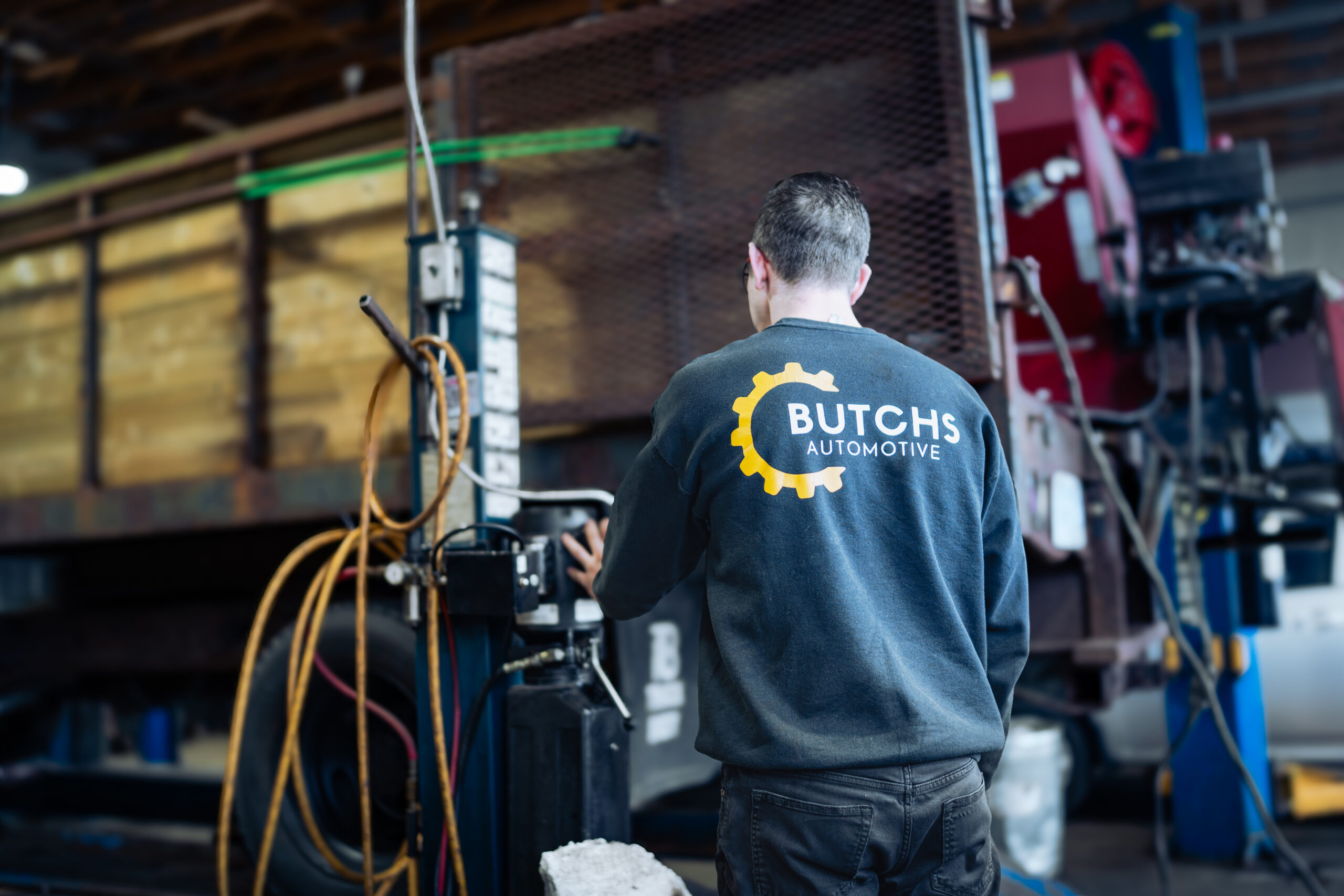
When managing a commercial operation, staying on top of fleet repair and preventative maintenance is the only way to protect your bottom line. Every hour a commercial vehicle spends sitting in a repair bay is an hour of lost revenue. While unexpected breakdowns happen, many are entirely preventable if you look after the fuel system.
For modern diesel and gasoline engines, a clean fuel system is the backbone of operational reliability. Neglecting it leads to poor fuel economy, sudden power loss, and catastrophic engine failures that can sideline your operations for days.

The High Cost of Skipping Fleet Repair and Fuel Maintenance
Modern commercial engines rely on high-pressure fuel systems to maximize efficiency and meet strict emissions standards. Because these systems operate under extreme pressure, even microscopic particles of dirt or water can cause massive damage.
When fuel system fleet repair needs fall behind, your business risks facing several common issues:
-
Premature Injector Failure: Debris and moisture score the tightly machined tolerances of fuel injectors, leading to misfires and costly replacements.
-
Drastic Drop in Fuel Economy: Clogged filters force fuel pumps to work harder, altering the fuel spray pattern and burning significantly more fuel per kilometre.
-
Sudden Roadside Breakdowns: Heavily contaminated fuel systems can choke out an engine completely under heavy loads, requiring emergency towing.

3 Critical Areas of Fuel System Fleet Repair and Service
Proactive fleet repair and maintenance mean addressing fuel quality before it impacts your trucks and vans. Fleet managers should focus on three main areas:
1. Timely Fuel Filter Replacements
Your fuel filters are the first line of defence. Because commercial vehicles often operate in dusty environments or idle frequently, filters trap a massive amount of debris. Replacing them according to a strict schedule prevents restricted fuel flow and protects downstream components.
2. Managing Moisture and Microbial Growth
Water is the natural enemy of diesel fuel systems. Temperature changes cause condensation inside storage tanks and vehicle tanks. Water leads to rust, component corrosion, and the growth of diesel bacteria (slime) that rapidly plugs filters. Utilizing water separators and regular tank testing is vital.
3. Fuel Quality and Storage Monitoring
If you maintain an on-site fuelling station, the quality of your bulk fuel matters just as much as the vehicle itself. Regularly servicing bulk storage filters and using high-quality fuel additives helps keep lines clean and stabilizes fuel during seasonal transitions.

Partnering with Professionals for Comprehensive Inspections
Relying on drivers to spot fuel system issues before they happen is a risky strategy. True preventative maintenance requires digital inspections and advanced diagnostics. Professional technicians can monitor fuel rail pressure, check injector balance rates, and spot weeping fuel lines long before they cause a breakdown on the highway.
Investing in structured, regular servicing ensures minor fuel system adjustments are handled during scheduled downtime, rather than during peak delivery hours.

Keep Your Fleet Moving
Managing a busy schedule leaves very little room for unexpected vehicle downtime. Protecting your fuel systems keeps your operating costs low and your drivers safe.
If your fleet stops, business stops. We give priority service, to keep you on the road.
Contact Butch’s Automotive today to schedule your next preventative maintenance and comprehensive fleet repair service.