
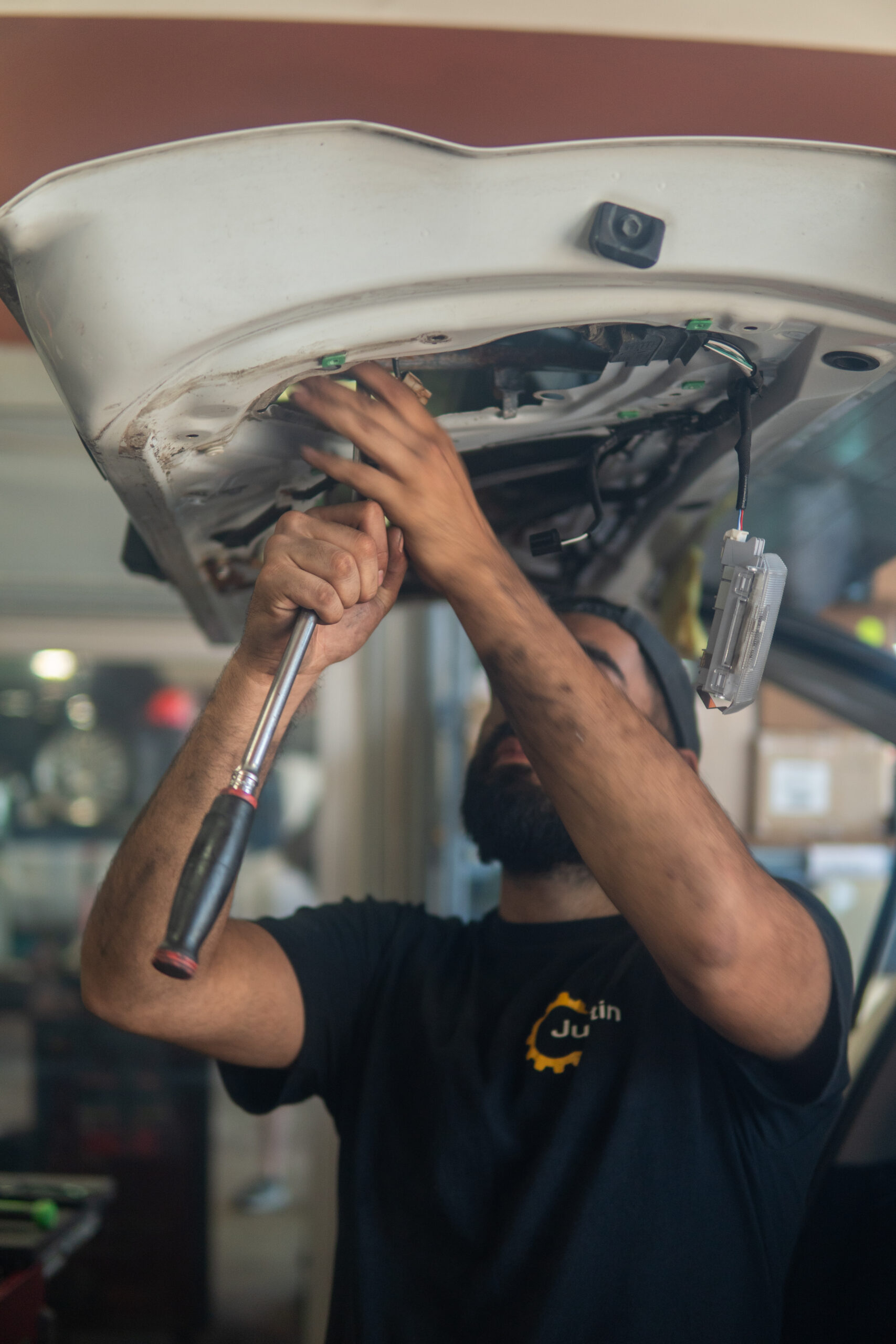
How scheduling a thorough pre-trip vehicle check protects your commercial fleet is a vital topic for modern business owners. First, practicing strict pre-trip inspection discipline shields your engine, brakes, and drivetrain from sudden failures under long-distance stress. Second, it optimizes highway safety and fuel efficiency when hauling heavy commercial payloads. Finally, it extends the overall operational lifespan of your vehicles before minor wear turns into catastrophic engine or transmission damage.
Consequently, moving away from reactive emergency fixes directly impacts your operational costs. It affects your business uptime and long-haul scheduling efficiency. Therefore, regular fleet repair and maintenance plans must include strict pre-inspection checklists before sending any vehicle out on the open road. This proactive approach keeps your drivers safe and your shipments running smoothly across the Fraser Valley.

Understanding Pre-Trip Inspections in Fleet Operations
To understand how a comprehensive pre-trip check helps your business, you must look at how technicians evaluate your fluid levels, brake wear, cooling systems, and critical belts.
Real-Time Multi-Point Analysis
During a service visit, our mechanics use advanced diagnostic scanning tools right in the shop bay. Because they use digital diagnostic devices, they can record battery performance, fluid health, and leak indicators quickly. Furthermore, they attach live photos of worn brake pads, loose belts, and aging hoses directly to your vehicle’s history. As a result, this process captures the exact physical condition of your vehicle at that very moment.
Tracking System Health Instantly
In contrast to traditional “guess-and-check” methods, modern monitoring tracks system wear instantly. The system delivers a full breakdown of cooling system pressure tests and brake lining thickness directly to your phone via text or email. Next, service managers can review the notes while sitting at their own desks. Additionally, the report contains clear colour-coded results. These visual markers show exactly which components need immediate repair or replacement before hitting the highway.

Performance and Benefits for Fleet Vehicles
Commercial vehicles operate under demanding long-distance conditions. Drivers face high highway speeds, extreme summer temperatures, and heavy payload strains for hours on end. Fortunately, catching worn water pumps, thin brake shoes, or aging alternator belts early reduces highway breakdown risk and roadside towing expenses. Ultimately, this transparency lowers the frequency of emergency fleet repair visits.
Visual Proof of Wear and Failure Risks
For example, if a vehicle has a leaking radiator hose or a hairline crack in a serpentine belt, the report shows a clear photo of the damaged rubber or residue. This visual evidence makes it easy for your team to verify the repair needs and safety hazards. Meanwhile, high-resolution images show low brake friction material or weeping fluid seals instantly. Similarly, you see exactly what the technician sees in the shop. This clear proof keeps your drivers safe on long routes.
Choosing Proactive Route Preparation
Catching hidden mechanical defects early prevents sudden roadside breakdowns and dangerous overheating issues miles from home. Consequently, regular route-prep updates stop minor fluid leaks before they ruin a long-distance delivery schedule. On the other hand, digital tracking prevents skipped safety checklist items. Therefore, it keeps your vehicles fully roadworthy and free of hidden mechanical hazards.
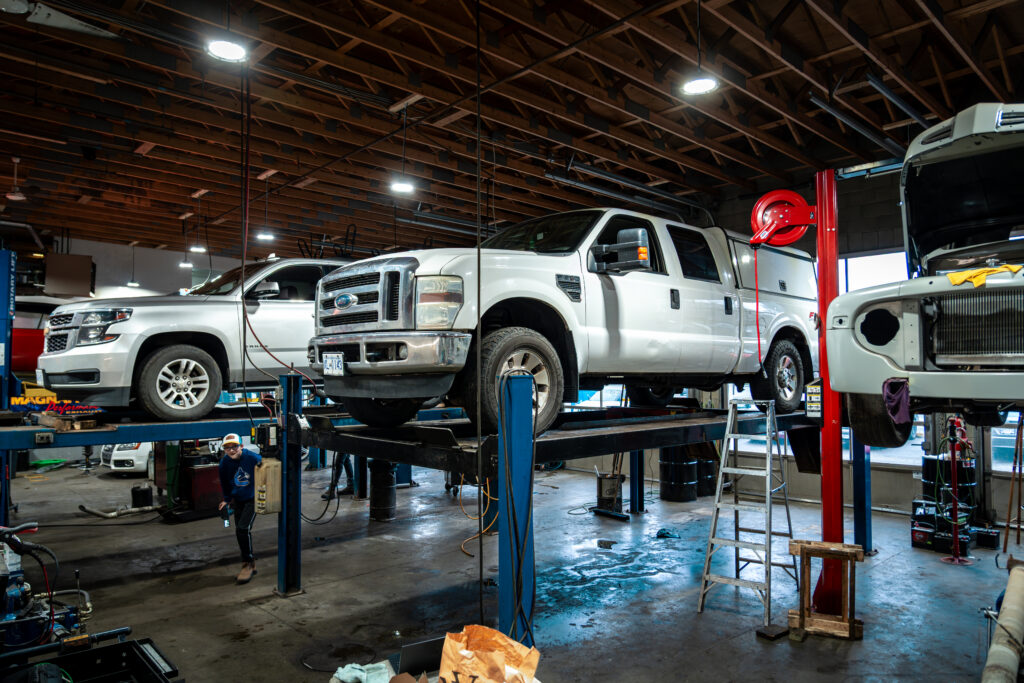
Maintenance Speed Comparison
Traditional phone calls and paper estimates for long-haul highway breakdowns typically require hours of back-and-forth communication, expensive rural towing, and massive shipping delays. However, proactive pre-trip safety reports can safely speed up preventative approvals to just a few minutes, preventing those distant highway breakdowns entirely. The exact response time depends on your manager and duty cycle. For your business, this efficiency means fewer stressful emergency repairs. In addition, it means less administrative tracking.
Long-Term Financial Impact
Strict pre-trip inspection discipline carries no extra burden for your operational workflow. Nevertheless, the long-term return on investment is substantial for commercial operations.
Reducing Commercial Vehicle Downtime
Specifically, faster maintenance approvals mean your vehicles spend more time on the road making money. They spend less time sitting in an out-of-town service bay waiting on backordered parts. Because clear pre-trip diagnostics offer superior protection against guesswork, they reduce wear and tear on critical engine and braking components. Thus, this protection prevents major highway failures. It lowers your overall fleet repair bills over time.
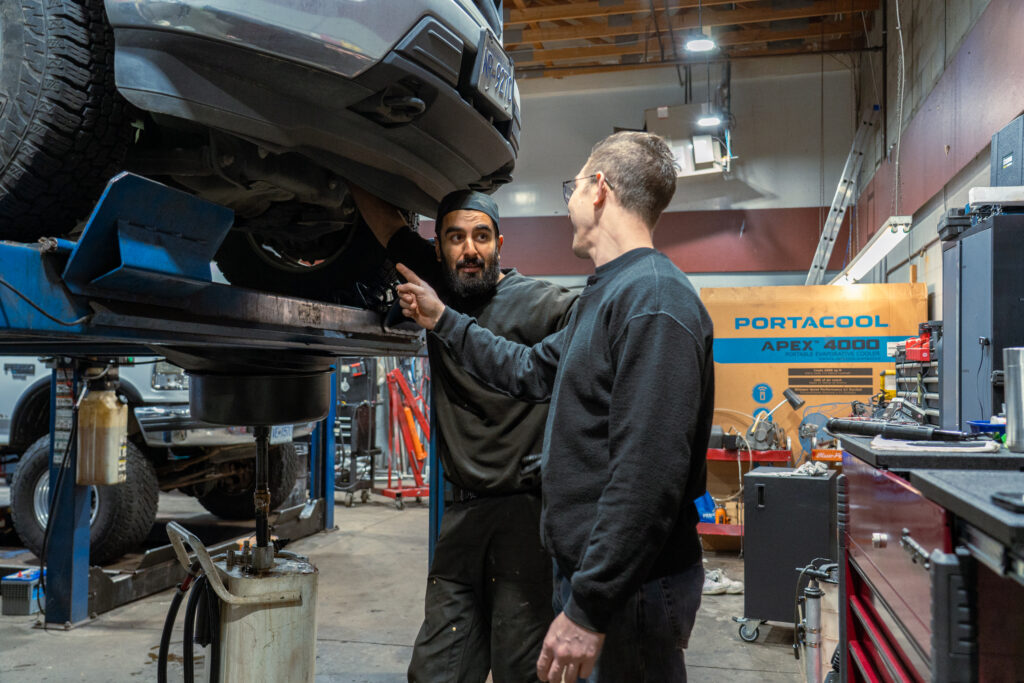
Checking Manufacturer Requirements
Before sending your entire inventory out on cross-country trips, check the factory towing capacities and severe-duty maintenance intervals for each vehicle. Some gas-powered light trucks require frequent cooling system flushes under heavy loads. Meanwhile, modern heavy-duty commercial diesel engines strictly require specialized fuel filter changes and exhaust fluid checks to maintain peak torque and engine efficiency.
Streamlining Maintenance Schedules
In conclusion, partnering with a dedicated fleet repair facility ensures your engines, brakes, and cooling systems get inspected on a strict timeline before major trips. This consistent oversight minimizes unexpected downtime and lost revenue.
If your fleet stops, business stops. We give priority service, to keep you on the road.
To schedule your next commercial service, contact Butch’s Automotive today!