Should I Let My Car Warm Up Before Driving in Cold Weather?
For modern fuel-injected vehicles, idling your engine for several minutes to warm it up is no longer necessary. In fact, driving gently right after starting is the fastest and most efficient way to bring your engine, transmission, and fluids to proper operating temperature. A quick 30-second idle is all you need to establish full oil pressure before setting off.
The Myth of Idling Your Engine to Warm It Up
Many drivers grew up with the habit of starting their car on cold winter mornings and letting it idle on the driveway for 10 to 15 minutes before driving. While this practice was essential for older vehicles equipped with carburetors, modern cars handle cold starts completely differently.
Today’s vehicles rely on electronic fuel injection systems and engine control units (ECUs). Sensors monitor ambient temperature and automatically adjust the air-fuel mixture to keep the engine running smoothly right from the start. Extended idling does not benefit a modern engine and simply consumes extra fuel.
Why Driving Gently is Better Than Prolonged Idling
When you leave your car idling in the driveway, only the engine block warms up, and it does so very slowly. Other critical drivetrain components, such as your transmission, differential, wheel bearings, and power steering system, remain cold until the vehicle is physically moving.
Here is why driving gently immediately after starting is the superior approach:
-
Faster Engine Warm-Up: An engine produces far more heat under light load than it does at idle. Driving warms up the engine block and interior heater much faster.
-
Complete Drivetrain Protection: Moving allows transmission fluid and gear oils to circulate and reach operating temperature alongside engine oil.
-
Reduced Engine Wear: Idling in cold weather can allow unburned fuel to wash away protective oil films from cylinder walls. Getting moving quickly minimizes this risk.
-
Better Fuel Efficiency: Idling gets zero miles per gallon. Eliminating unnecessary warm-up time saves fuel and reduces emissions.
The Proper Cold Start Procedure
You do not need to sit and wait, but taking a systematic approach on cold mornings helps protect your vehicle components over time.
1. Start and Wait 30 Seconds
After turning the key or pressing the start button, pause for roughly 30 seconds. This brief window gives the oil pump enough time to circulate motor oil to the upper engine components and build full oil pressure.
2. Clear Your Windows Completely
Use this moment to clear snow and scrape frost off your windshield, side windows, and mirrors. Full visibility is critical for road safety before putting the vehicle in gear.
3. Drive Moderately at First
For the first 5 to 10 minutes of your journey, drive gently. Avoid hard acceleration, heavy towing, or high RPMs until your engine temperature gauge reaches its normal midpoint.
Key Maintenance Tips for Cold Weather Reliability
While long warm-up periods are unnecessary, winter weather puts additional demands on your automotive systems. Staying proactive with routine vehicle maintenance ensures dependable performance all season.
-
Check Synthetic Oil Viscosity: Cold weather thickens motor oil. Using the correct manufacturer-recommended oil weight or full synthetic oil ensures rapid lubrication during cold starts.
-
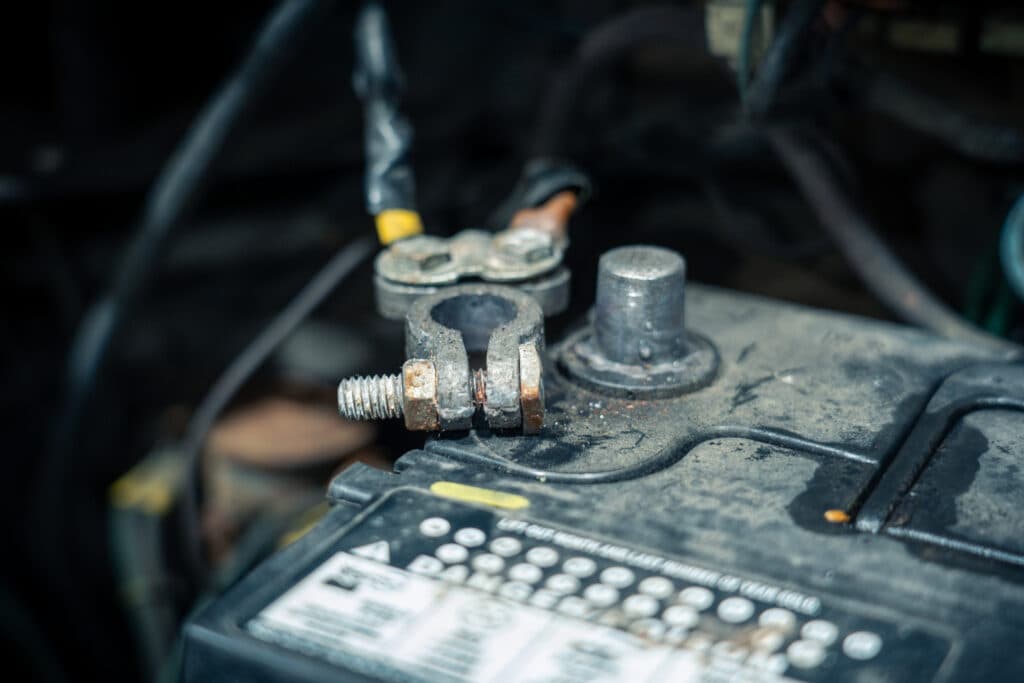
Inspect Battery Health: Low temperatures reduce battery output capacity while engine cranking demands increase. Testing your battery before winter prevents unexpected dead battery situations.
-
Monitor Engine Coolant and Thermostat: Proper antifreeze concentrations prevent cooling system freeze-ups, while a functioning thermostat ensures your engine reaches proper operating heat promptly.
If you have questions about cold weather maintenance or want to ensure your vehicle is completely ready for the season ahead, stop by the shop for a quick check.
Butchs Automotive, friendly people, honest work, peace of mind