Squeaky or Squealing Brakes: What Your Car Is Telling You
Few car noises cause as much concern as a loud brake squeal. Your brakes serve as your vehicle’s most critical safety feature. Auto manufacturers design brake noises to catch your attention early. Catching these sounds early prevents minor issues from becoming costly repairs. Understanding why your brakes make noise is the first step toward knowing how to fix squeaky brakes. Proper maintenance ensures your vehicle stops safely on every drive.
Why Do Brakes Squeal?
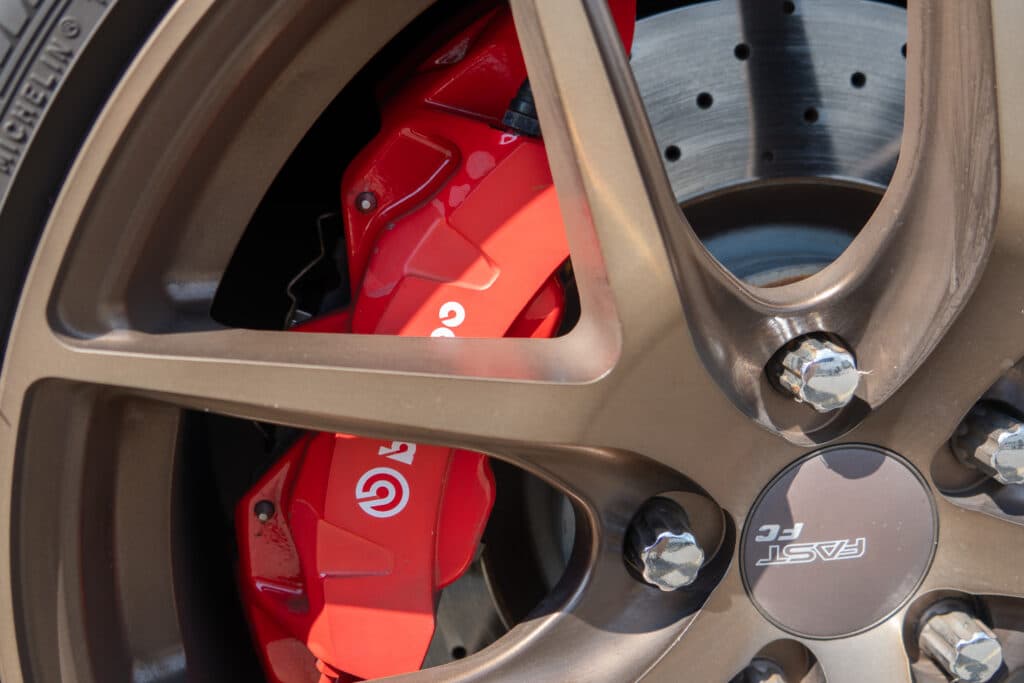
Brake noise stems from several common issues. Normal wear and tear or environmental factors often trigger these sounds. Friction between the brake pad and rotor creates natural heat and vibration. When these vibrations reach a high frequency, you hear a squeal. Common triggers include:
-
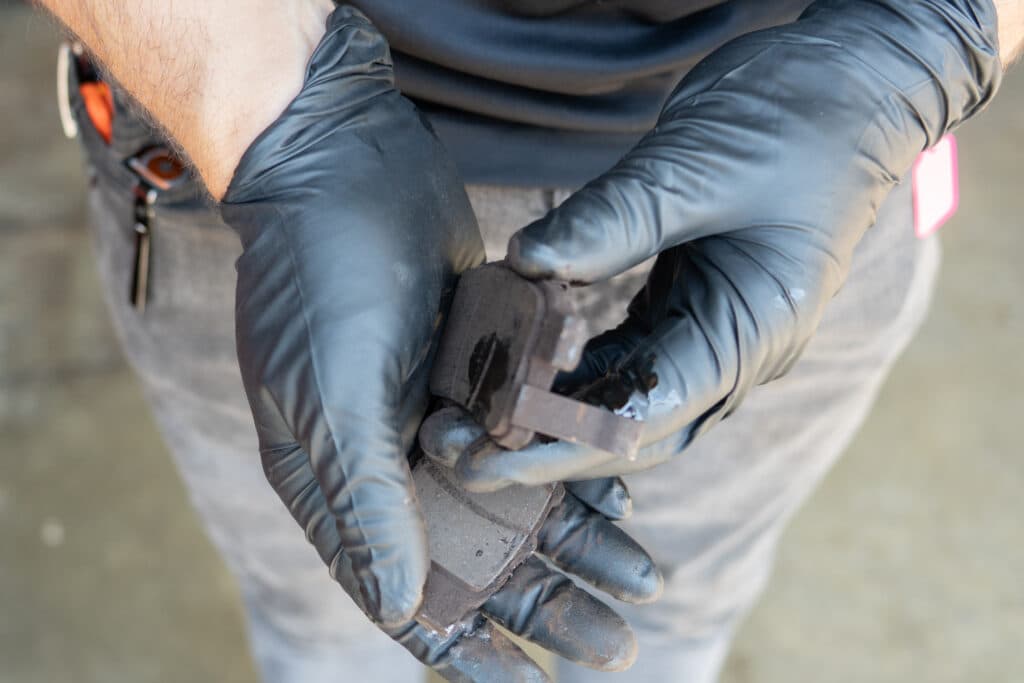
Built-in Wear Indicators: Modern brake pads feature small metal tabs. These tabs scrape the rotor when pad material gets thin. This metal contact creates a screeching sound to alert you.
-
Dust and Debris Accumulation: Dirt, road grime, and brake dust collect between the pad and rotor. This debris creates friction and causes temporary squeaking.
-
Moisture and Surface Rust: Rain and humidity form a light layer of rust on cast-iron rotors overnight. Your pads scrape this rust clean during your first few stops.
-
Glazed Brake Pads or Rotors: Hard braking creates intense heat. This heat glazes pads and rotors into slick surfaces that squeal during stops.
How to Fix Squeaky Brakes Safely
Learning how to fix squeaky brakes starts with finding the root cause. Auto technicians use targeted solutions to eliminate brake noise completely:
-
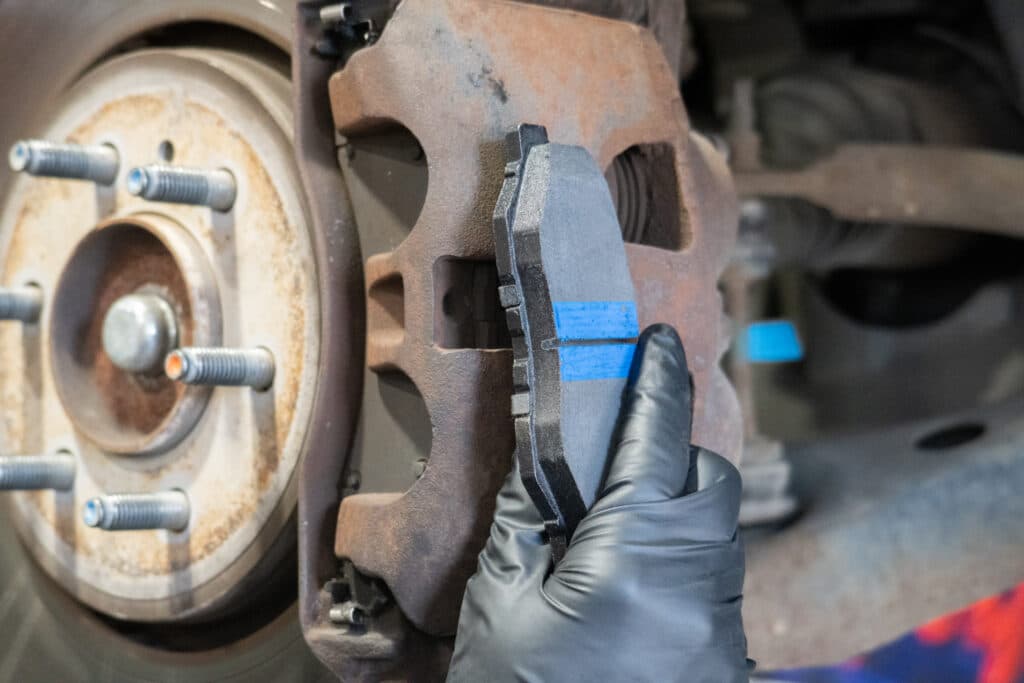
Replacing Worn Brake Pads: Technicians install ceramic or semi-metallic pads to replace thin, worn friction material.
-
Resurfacing or Replacing Rotors: Mechanics smooth down uneven rotors or install fresh ones. Smooth rotors allow new brake pads to make clean, flat contact.
-
Applying Anti-Squeal Lubricant: High-temperature brake grease on pad backings and caliper slides stops vibrations. This lubricant eliminates high-frequency noise.
-
Cleaning Caliper Hardware: Removing dust, rust, and road grime keeps calipers moving smoothly. Clean hardware prevents pads from dragging across the rotor.
Can You Drive with Squeaky Brakes?
Occasional squeaking on damp mornings usually indicates harmless surface rust. However, you should never ignore persistent brake noise. Constant squealing or harsh grinding requires immediate attention. Driving on worn pads damages your rotors and calipers. Delaying repairs increases your overall costs and endangers your stopping power.
Butchs Automotive, friendly people, honest work, peace of mind.
Restoring Quiet, Dependable Stopping Power
Your road safety relies on a healthy, responsive braking system. Persistent noise indicates that your car needs professional care. Certified technicians inspect pads, rotors, and calipers to find the root issue. Professional service restores quiet operation and gives you confidence behind the wheel.