What Every New Driver Should Know About Vehicle Maintenance
Getting your driver’s licence brings exciting independence, but taking care of your car is key to keeping that freedom. While vehicle care can feel overwhelming at first, understanding basic vehicle maintenance for new drivers helps you take the right steps before a minor mechanical issue turns into an expensive repair.
Your vehicle requires routine attention to keep all of its mechanical and safety systems running reliably. Knowing the fundamentals of vehicle maintenance for new drivers allows you to protect your investment and keep your vehicle running safely.
1. Essential Fluid Level Checks
Your car relies on several vital fluids to keep its critical components running smoothly and prevent engine parts from overheating or wearing out prematurely. Engine oil lubricates moving internal components, engine coolant regulates operating temperatures, and windshield washer fluid ensures clear visibility during rainy weather. Checking your fluid levels monthly is always the best first step when mastering vehicle maintenance for new drivers.
2. Tire Pressure and Tread Care
Tires are the only point of contact between your car and the road, making routine tire care critical for handling, stopping, and fuel economy. Underinflated tires wear out quickly and reduce gas mileage, while worn tread drastically reduces traction on wet roads. Checking tire pressure monthly with a simple gauge and inspecting tread depth regularly prevents dangerous blowouts and extends tire life.
3. Routine Oil Change Schedule
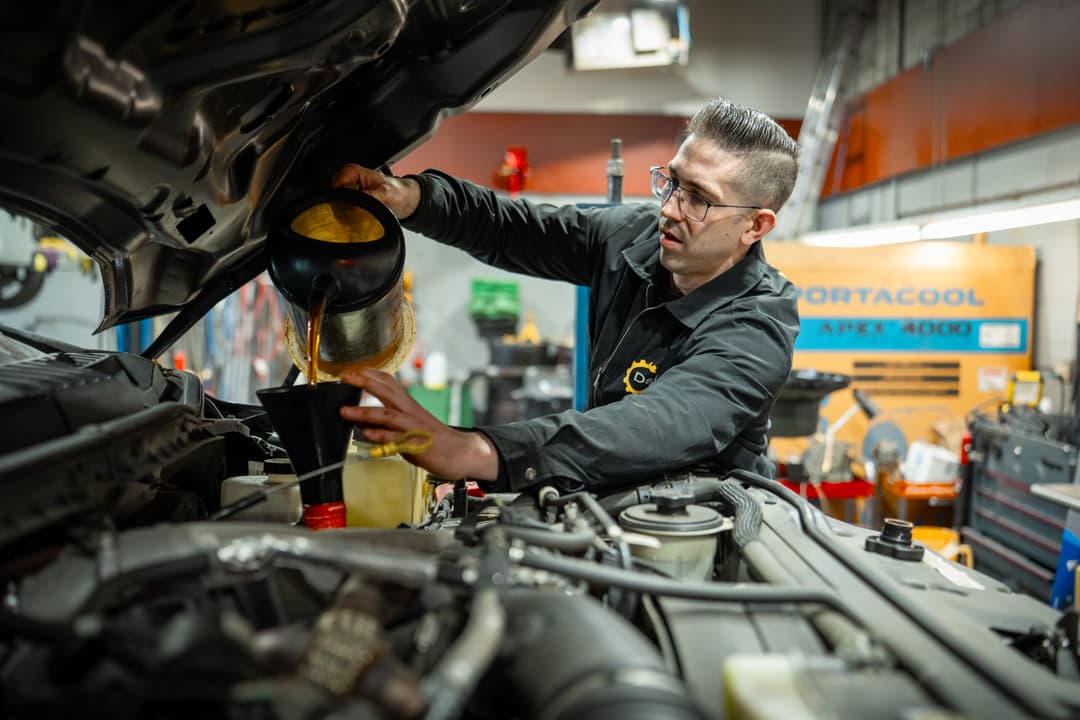
Engine oil breaks down over time, accumulating dirt and debris that can damage sensitive engine components. Ignoring routine oil service reduces engine performance and can eventually cause severe engine damage, turning a standard maintenance visit into a major financial expense. Following your vehicle’s recommended oil service interval keeps your engine running efficiently.

Warning Signs That Require Immediate Attention
Dashboard Warning Lights: A solid or flashing light on your instrument cluster indicates an active system error.
Unusual Engine Sounds: Squeaking, grinding, clunking, or loud knocking noises during operation.
Vibrations and Pulling: The vehicle shaking at highway speeds or drifting to one side while steering.
Unresponsive Braking: A spongy brake pedal feel or squealing sounds when coming to a stop.
How to Prevent Sudden Vehicle Trouble
Staying proactive with routine car maintenance reduces the likelihood of unexpected roadside breakdowns and keeps your vehicle running smoothly:
Follow Service Schedules: Replace filters, spark plugs, and fluids according to your manufacturer guidelines.
Inspect Wiper Blades: Swap out worn or streaking wiper blades before heavy rainfall compromises your vision.
Get Prompt Diagnostics: Have a professional technician assess unusual sounds or warnings as soon as they appear.
What to Do When Your Vehicle Needs Care
Taking care of your vehicle isn’t something you should stress over, but staying proactive is essential for long-term reliability. Scheduling professional maintenance ensures potential issues are identified quickly and accurately so you can drive with complete confidence.
Butchs Automotive, friendly people, honest work, peace of mind.