When managing a commercial operation, staying on top of fleet repair and preventative maintenance is the only way to protect your bottom line. A dependable commercial service partner builds their facility specifically around heavy use vehicles. In the modern automotive industry, a shop that tries to serve every single driver fails to deliver the speed and focus that businesses require.
For busy business owners and dispatchers, choosing a compatible repair partner creates operational reliability. Therefore, understanding why certain clients are not the right fit protects your schedule. On the other hand, mixing passenger cars with commercial vehicles slows your fleet down.
Why a Lack of Specialization Hurts Fleet Repair Efficiency
Many service shops confuse staying busy with being productive. As a result, drowning a commercial facility in retail passenger cars, minor oil changes, and customer complaints creates unnecessary confusion.
When a service provider tries to serve everyone instead of focusing strictly on high priority accounts, your business faces several hidden risks:
Analysis Paralysis: Waiting behind retail customers for a diagnostic bay delays critical approvals. Consequently, this delay keeps your vans and trucks off the road longer.
Hidden Unexpected Costs: When a shop focuses on general retail traffic, technicians easily miss complex commercial issues. For this reason, minor issues quickly turn into an emergency.
Strained Professional Trust: A lack of dedicated commercial technicians makes it difficult to get fast turnarounds. Furthermore, you lose the specialized expertise you need for proper fleet repair management.
The Targeted Approach to Right Fit Partnerships
Real efficiency does not mean turning away business blindly. Instead, it means organizing a shop workflow so that heavy duty accounts get undivided attention. Proactive fleet repair management relies on a structured, dedicated environment. This system completely separates commercial priorities from everyday retail traffic.
True service compatibility relies on three main pillars:
1. High-Resolution Commercial Focus
Commercial clients need a shop optimized for larger trucks and vans rather than commuter vehicles. For example, having heavy duty hoists, specialized diagnostic software, and dedicated bays gives you total confidence in the repair timeline.
2. A Clear Cause and Correction Workflow
A specialized commercial shop clearly understands how downtime impacts your revenue. Because of this, the team structures its workflow to get vehicles back on the road permanently. This straightforward logic eliminates guessing and keeps your billing completely predictable.
3. Prioritized Action Steps
Not every vehicle or client matches the high speed pacing of a commercial garage. Therefore, a true fleet repair partner screens incoming work by vehicle type and business need. This screening allows them to manage your maintenance schedule effectively without compromising driver safety.
Partnering with Professionals for Clear Outcomes
Relying on a general automotive shop that handles every random walk in makes managing a delivery schedule significantly harder. Indeed, true preventative maintenance requires a facility that focuses entirely on commercial outcomes. Professional technicians must dedicate their time to servicing vocational vehicles. Consequently, this focus allows you to approve work quickly and minimize downtime.
Ultimately, investing in a structured, specialized servicing partnership ensures you always know exactly what is happening with your vocational vehicles.
Keep Your Fleet Moving
Managing a busy schedule leaves very little room for unexpected vehicle downtime or confusing administrative delays. For this reason, choosing a service partner that prioritizes clear communication keeps your operating costs low and your drivers safe.
If your fleet stops, business stops. We give priority service, to keep you on the road.
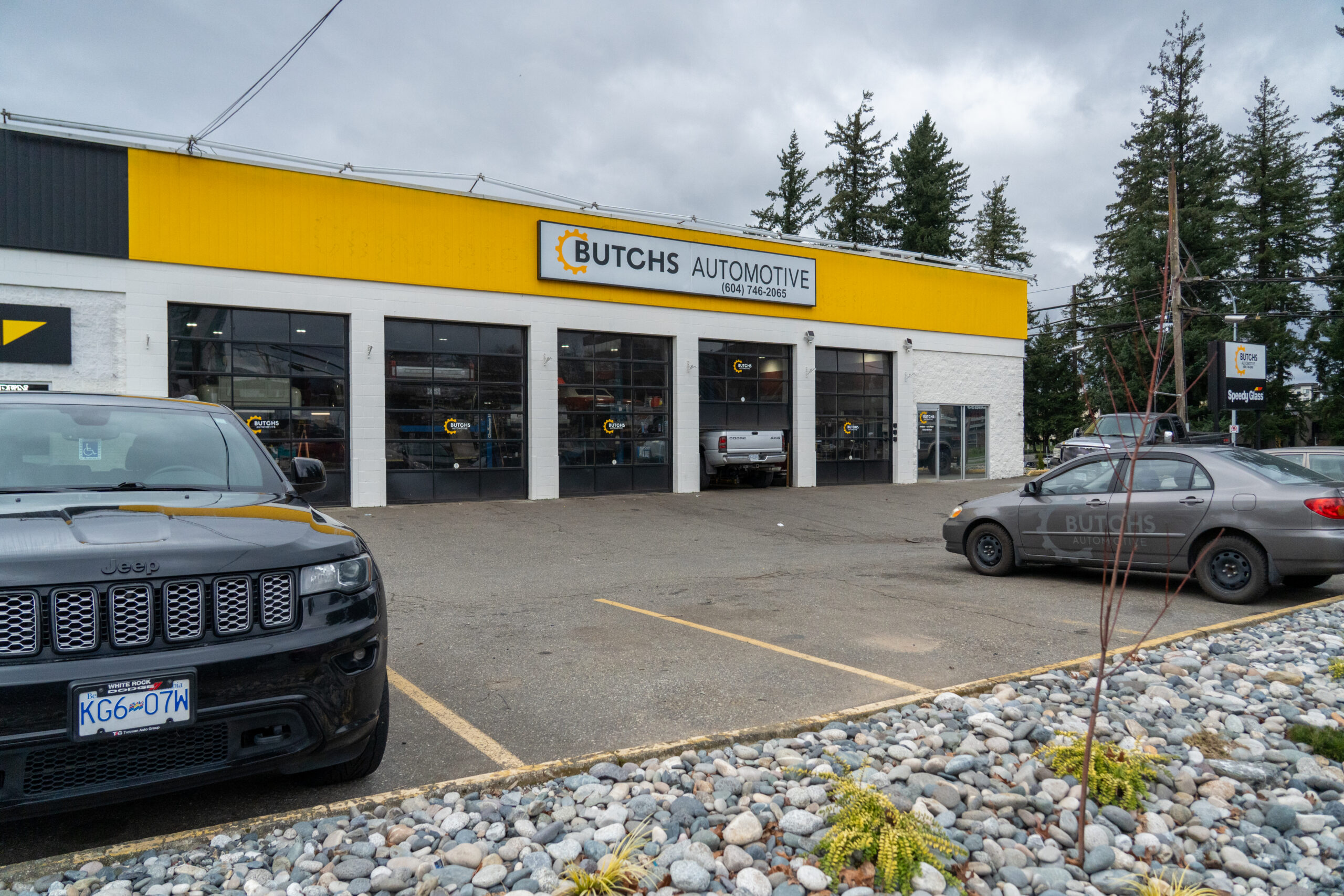
Contact Butch’s Automotive today to schedule your next preventative maintenance and comprehensive fleet repair service.