Why Your Car Battery Dies in Warmer Weather (And How Heat Kills It)
Most drivers associate battery trouble with freezing winter mornings, but extreme heat is actually the number one killer of automotive batteries. High temperatures do silent damage long before cold weather ever sets in.
Asking yourself “why is my car battery dying in warmer weather” usually points to hidden thermal stress happening right under your hood. Understanding how high heat impacts your battery can save you from unexpected breakdowns and help keep your vehicle reliable.
1. Electrolyte Evaporation Inside the Battery
Under-hood temperatures routinely exceed 140°F on hot days. This extreme environment forces the liquid electrolyte solution (water and sulfuric acid) inside your battery to evaporate. As fluid levels drop, internal lead plates become exposed, causing irreversible internal damage and reducing overall starting power.
2. Accelerated Internal Grid Corrosion
Heat acts as a powerful catalyst, speeding up chemical reactions inside the battery casing. Excessive temperatures dramatically accelerate corrosion on internal grid plates and promote sulfation buildup. While the battery may still hold just enough charge to start your car on warm days, the underlying physical structure is permanently weakened.
3. Battery Overcharging Under Load
Your vehicle’s voltage regulator works harder during hot weather as cooling systems, air conditioning, and electrical components demand high power. If the charging system supplies too high a voltage to an already overheated battery, it can cause overcharging, further boiling off internal fluids and destroying internal components.
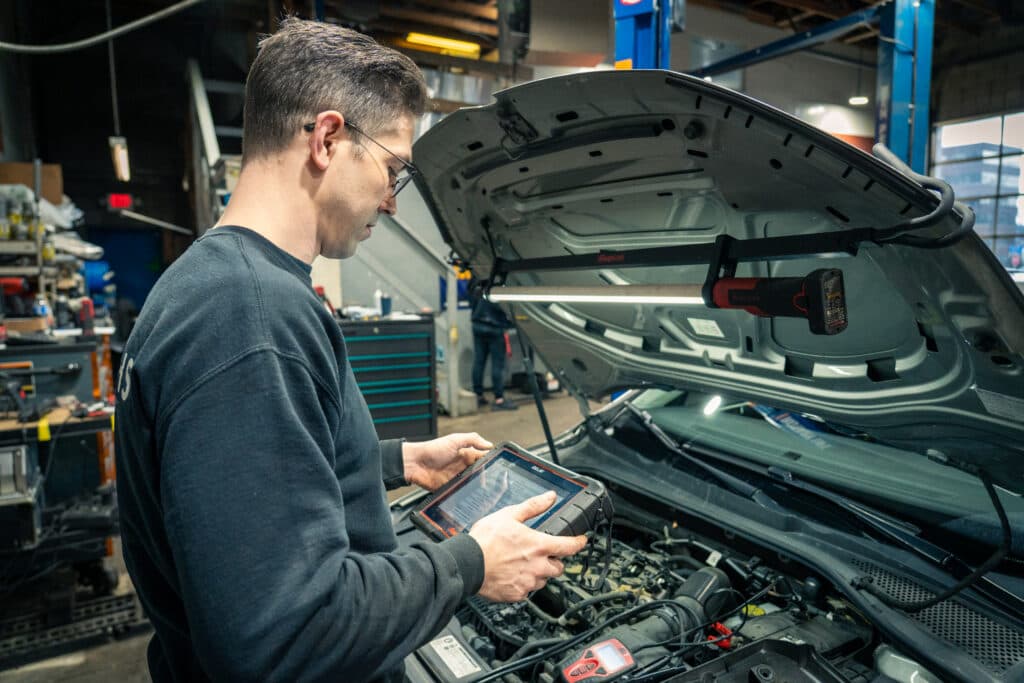
Warning Signs of Heat-Damaged Batteries
-
Sluggish Engine Crank: The engine turns over noticeably slower than usual when starting.
-
Swollen or Bloated Case: Excessive internal heat and pressure cause the battery housing to warp.
-
Sulfur Odor: A distinct rotten egg smell indicates internal battery breakdown or escaping gases.
-
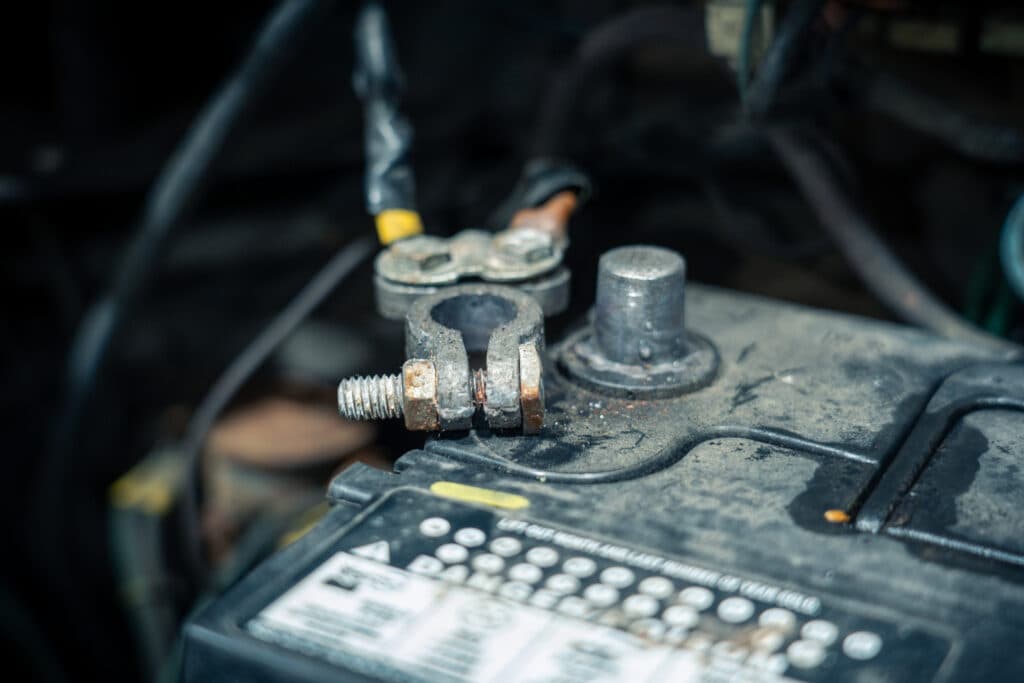
Terminal Corrosion: White, blue, or greenish powdery buildup accumulating around the terminals.
How to Prevent Heat-Related Battery Failures
Ignoring early signs of heat wear eventually leads to a complete no-start condition. Staying ahead of routine care protects your vehicle from sudden roadside failure:
-
Park in Shaded Areas: Keeping your car out of direct sunlight lowers under-hood temperatures significantly.
-
Keep Terminals Clean: Regularly clear away grime and corrosion to maintain proper electrical conductivity.
-
Schedule Load & Voltage Testing: A comprehensive digital inspection evaluates battery health under load to catch weak cells before you end up stranded.
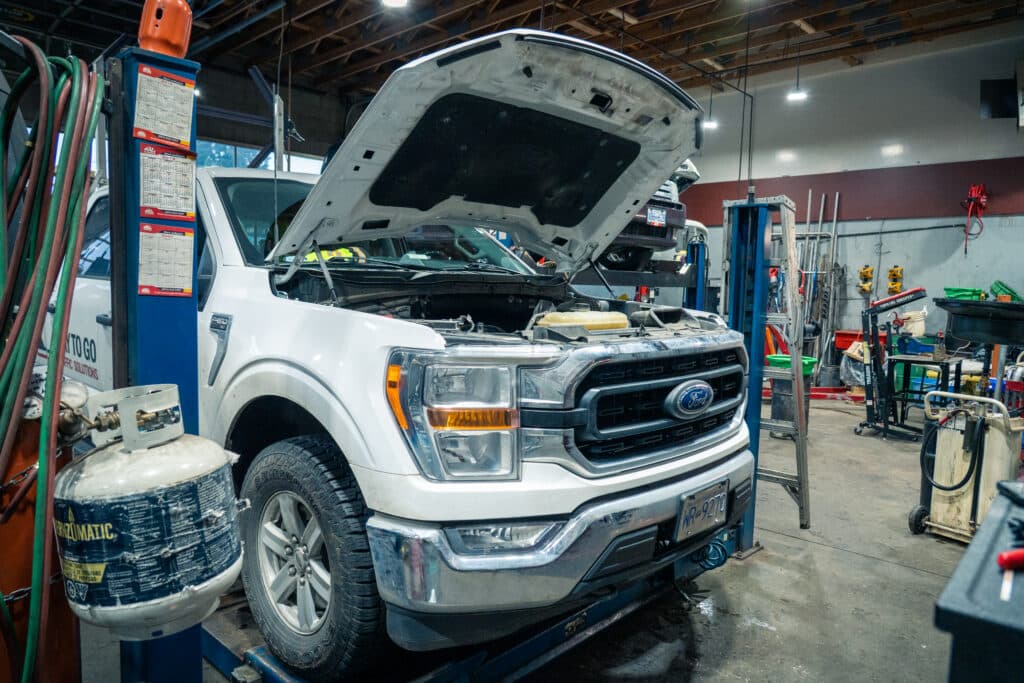
What to Do When Your Battery Shows Wear
Excessive heat inflicts permanent physical wear on vehicle batteries, making thermal stress far more damaging than winter cold. Monitoring warning signs and staying proactive with routine checks will ensure your vehicle starts reliably through every season.
Butchs Automotive, friendly people, honest work, peace of mind.